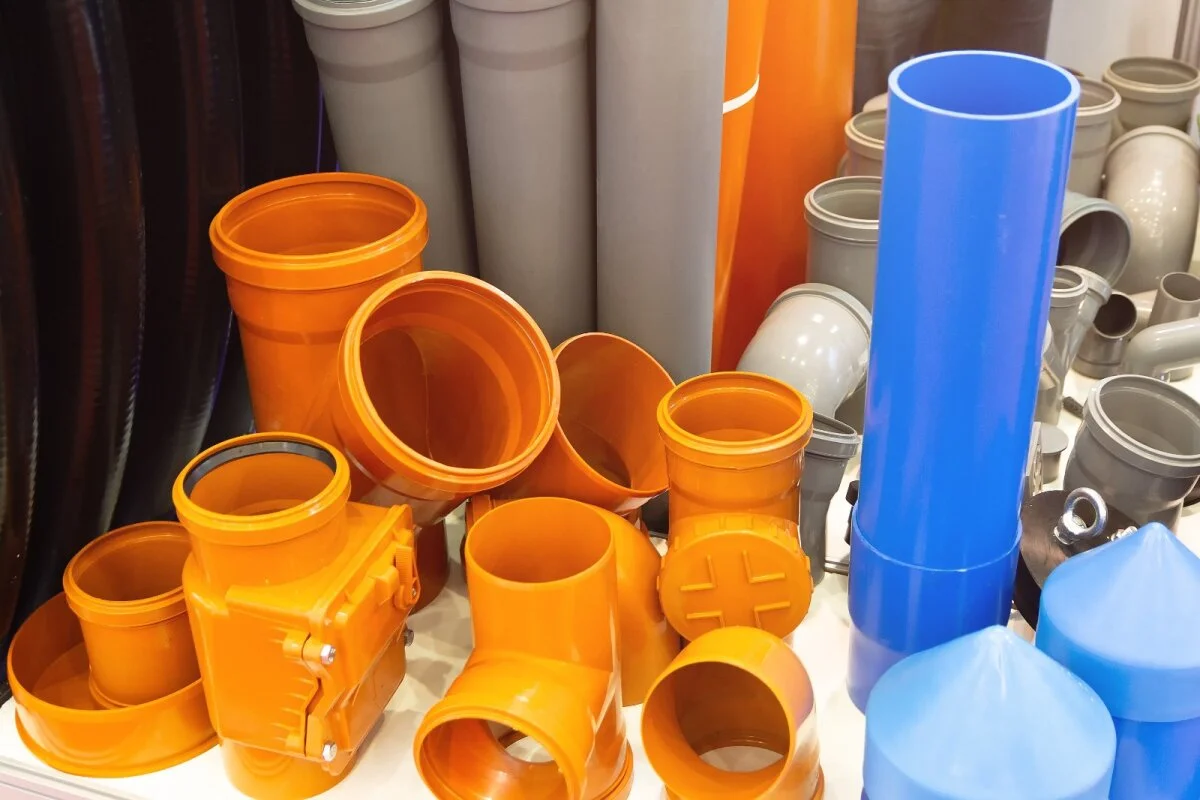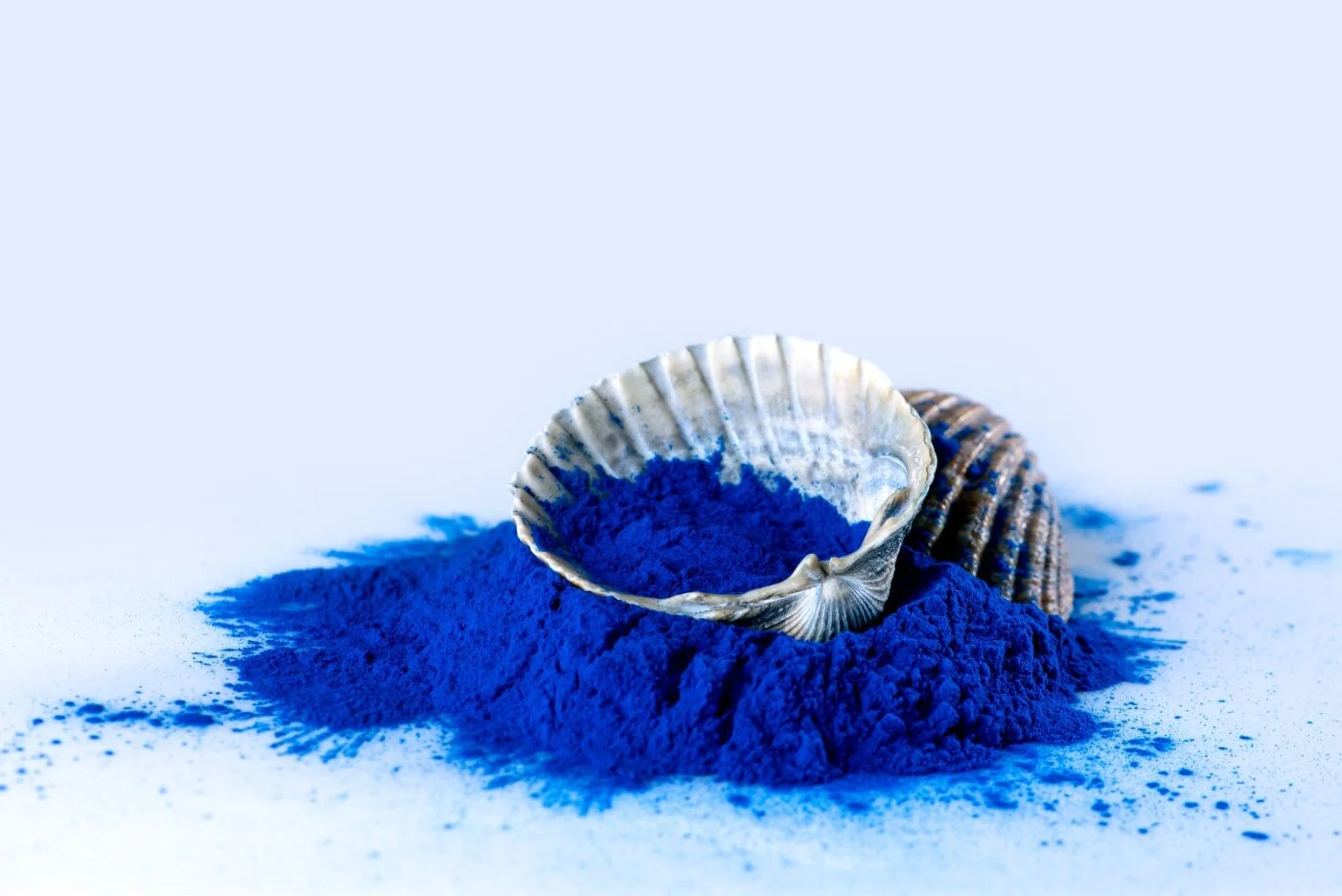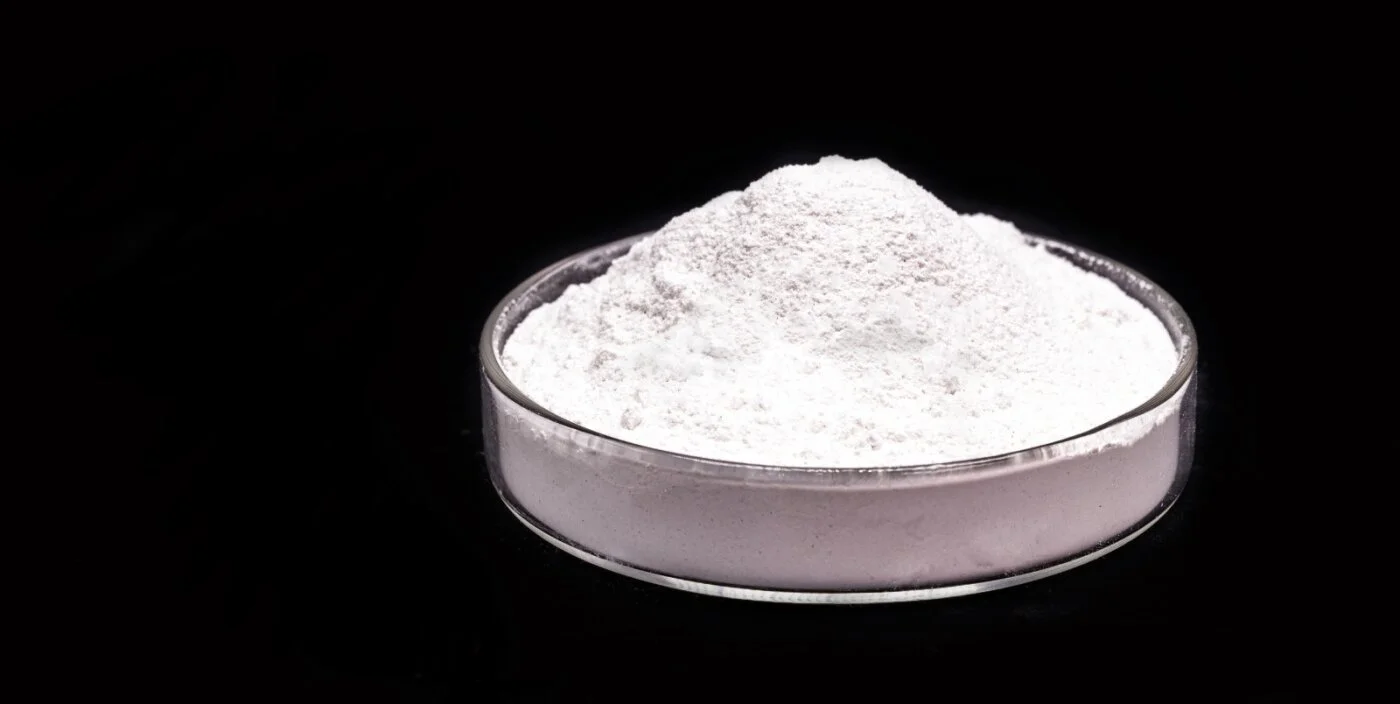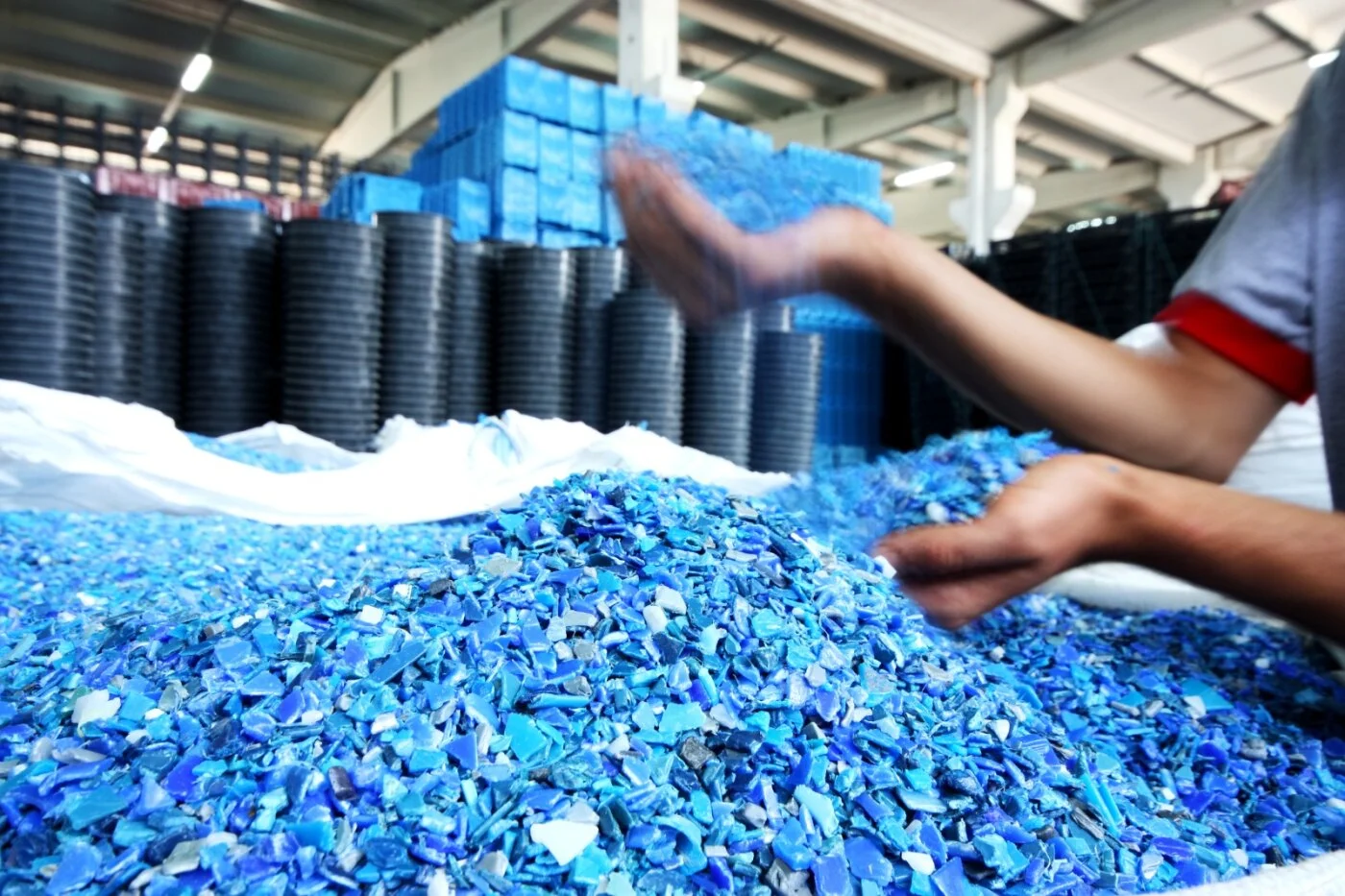
Chemical additives added in small amounts to main materials such as plastics, masterbatch, paints, and rubber to improve their performance, enhance their processability, or impart special functional properties during production, processing, or end-use. They serve a very wide range of functions, from UV resistance to flame retardancy, from slipperiness to anti-static properties.


Anti-Block
Prevents plastic films or layers from sticking to each other.
Anti-Scratch
Increases the surface hardness of the product, enhancing its resistance to scratches.

Anti Statik
Prevents the accumulation of static electricity on the surface, reducing dust attraction.
Anti-Fog
Prevents fog (condensation) formation on the surface, especially in food packaging.

Antimikrobiyal
Inhibits the growth of microorganisms such as bacteria, mold, and fungi on the material.
Antioxidants
Prevents degradation caused by heat and oxygen during material processing and use.


Biodegradability Enhancers
Promotes faster breakdown of plastic by microorganisms in nature.
.jpeg)
.jpeg)
Blowing Agents
To create a foamy structure by generating gas within the polymer; thereby reducing polymer consumption, imparting lightness to the material, enhancing insulation properties, and improving impact absorption.

Clarifying Agent
Increases the transparency and clarity of polymers.
Compatibilizers
Enables different incompatible polymers to mix homogeneously.
Conductive Additives
Makes plastic electrically conductive, dissipating static electricity.
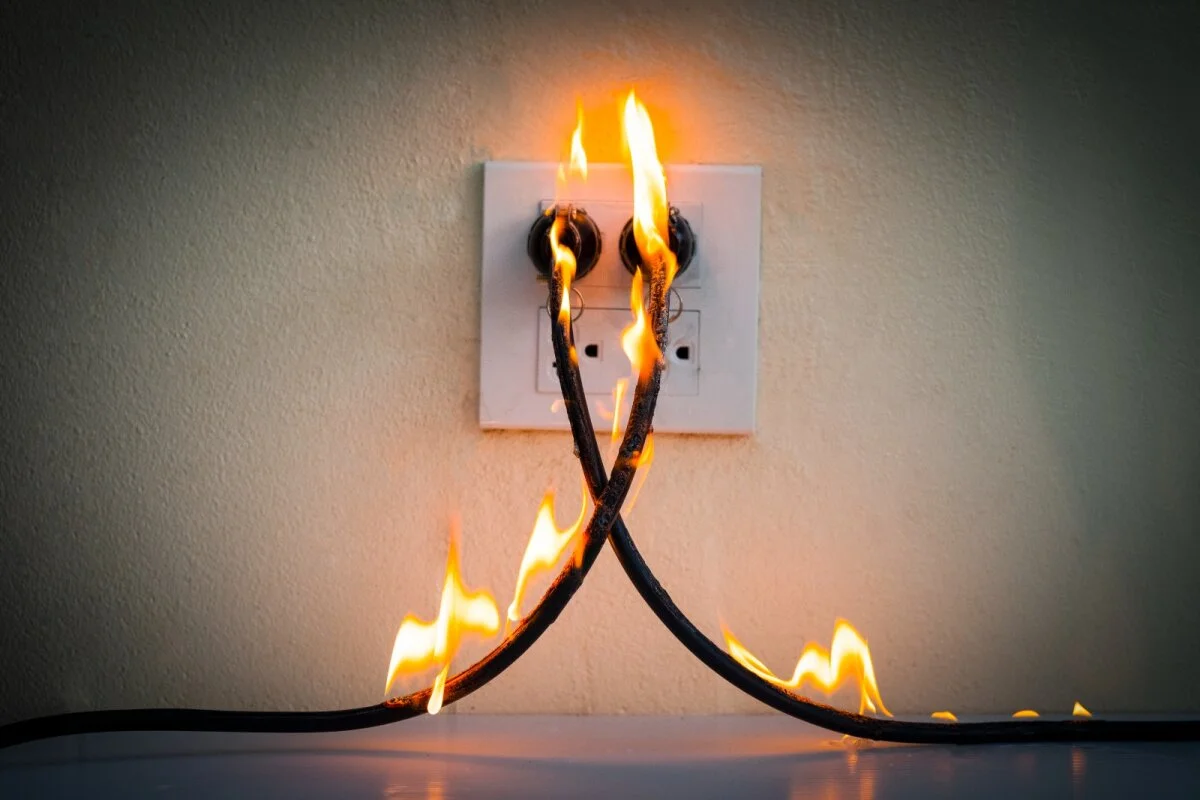
Flame Retardant
Delays the ignition of the material or slows down the burning rate, preventing flame spread.
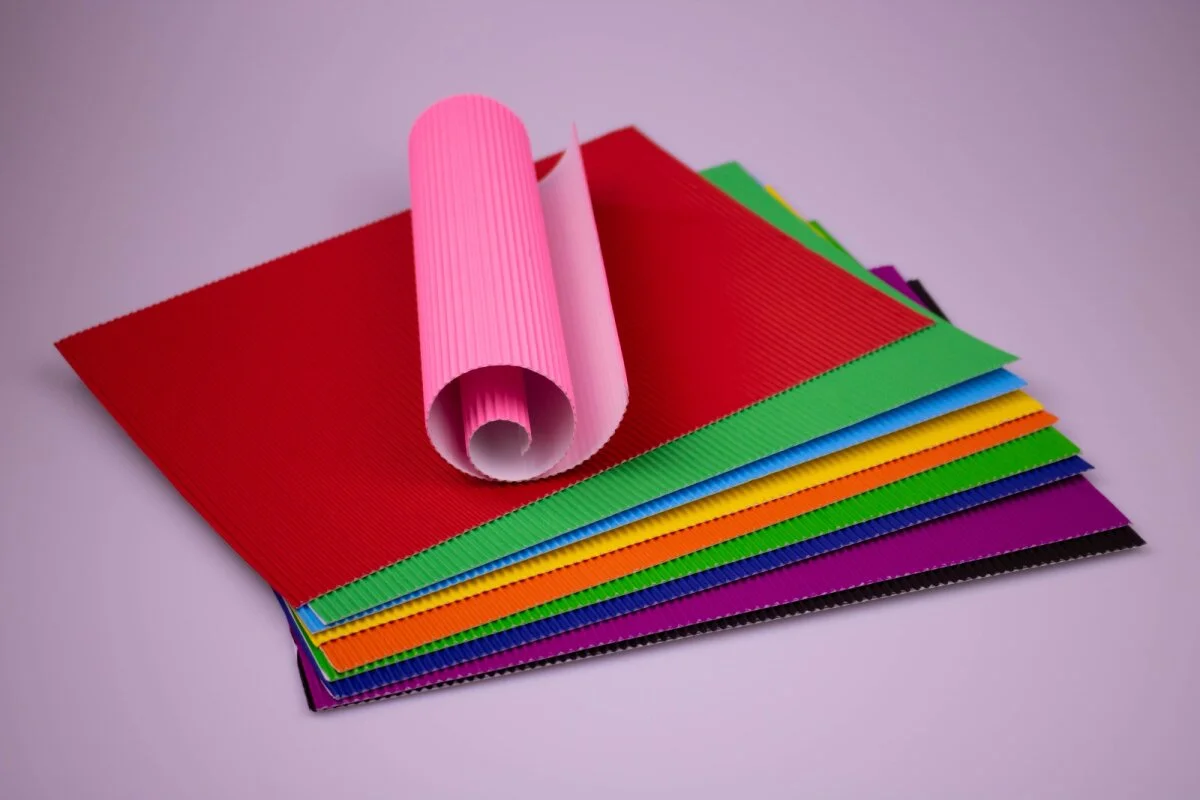

Drying Agent
Absorbs moisture within the material.
Infrared (IR) Absorbers or Reflectors
Provides heat management in applications such as greenhouse films by absorbing or reflecting infrared rays.

Light Stabilisers
It protects the material against colour fading and deterioration caused by light and UV rays.
.jpeg)
Impact Strength Enhancers
It increases the impact resistance of the plastic and reduces its brittleness, giving it a more flexible structure.

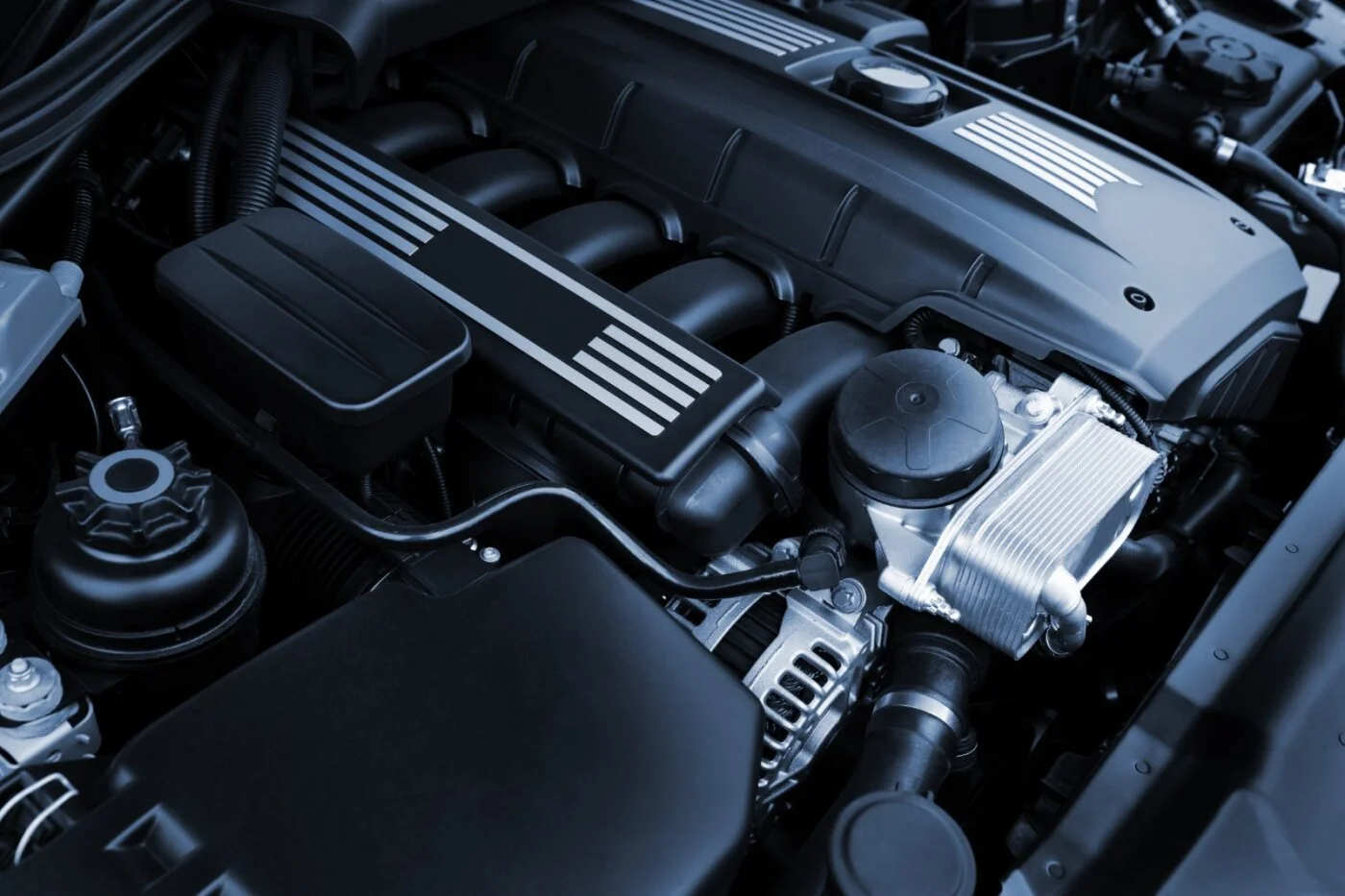
Melt Strengtheners
It enhances the strength of molten plastic, thereby ensuring stability during extrusion and blow-moulding processes.
Humidifiers
During processing, it removes residual moisture from the polymer by chemically binding it.

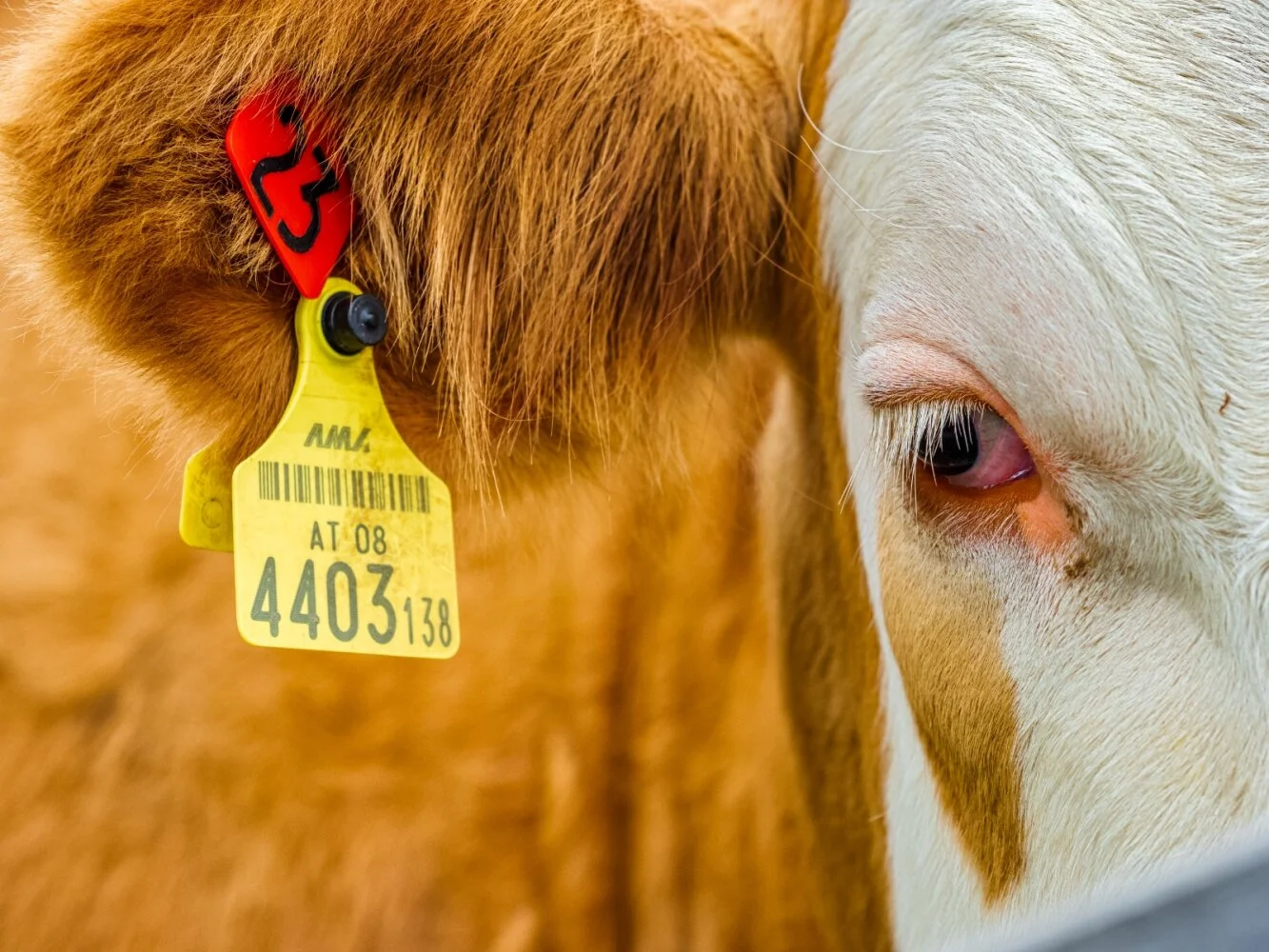
Additives for Laser Marking
The plastic reacts to laser light, enabling the creation of permanent, high-contrast markings.
Nucleating Agent
It improves mechanical properties and transparency by controlling the polymer’s crystallisation rate and structure.


Nucleating Agent
It improves mechanical properties and transparency by controlling the polymer’s crystallisation rate and structure.
Odour Removers
It eliminates or masks unwanted odours caused by polymers or recycled materials.

Optical Brightening Agent
It absorbs UV light and reflects it as visible blue light, making the product appear whiter and brighter.
Processing Assistant (PPA)
It improves processing efficiency by preventing the molten polymer from adhering to metal surfaces and by increasing its flowability.

Slip agent / Anti-slip agent
By altering the surface’s coefficient of friction, it gives the material a slippery or non-slip texture.

.jpeg)
-1.jpeg)
.jpeg)
UV Stabilisers
It protects the material from deterioration caused by ultraviolet (UV) radiation from sunlight.
Internal and External Lubricants
It serves as both an internal and external lubricant, or as a slip agent.
Matting Agent
It reduces the gloss of coatings and plastic surfaces to create a matt finish.
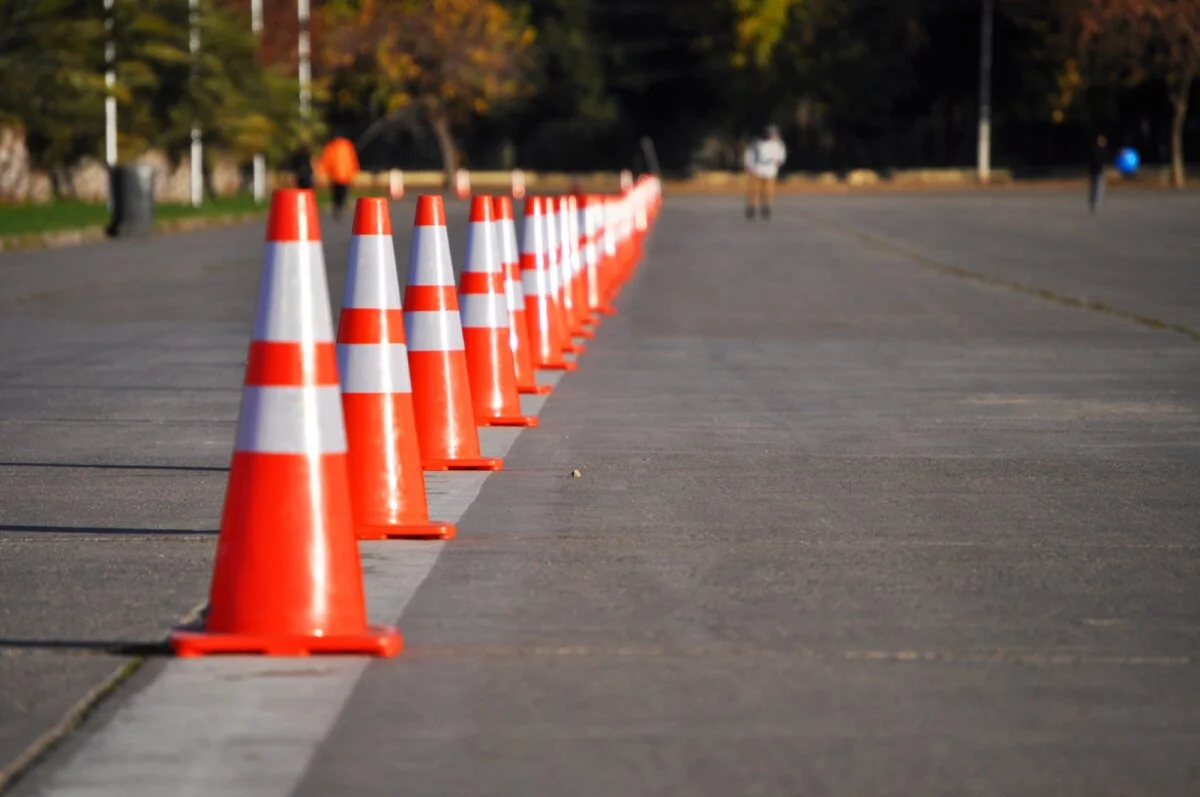

Squeak Preventer
It prevents the friction noise (squeaking) caused by plastic parts rubbing against each other.
Dispersing Agent (Dispersant)
It prevents pigments and fillers from clumping in polymers or liquids, ensuring they are evenly dispersed.
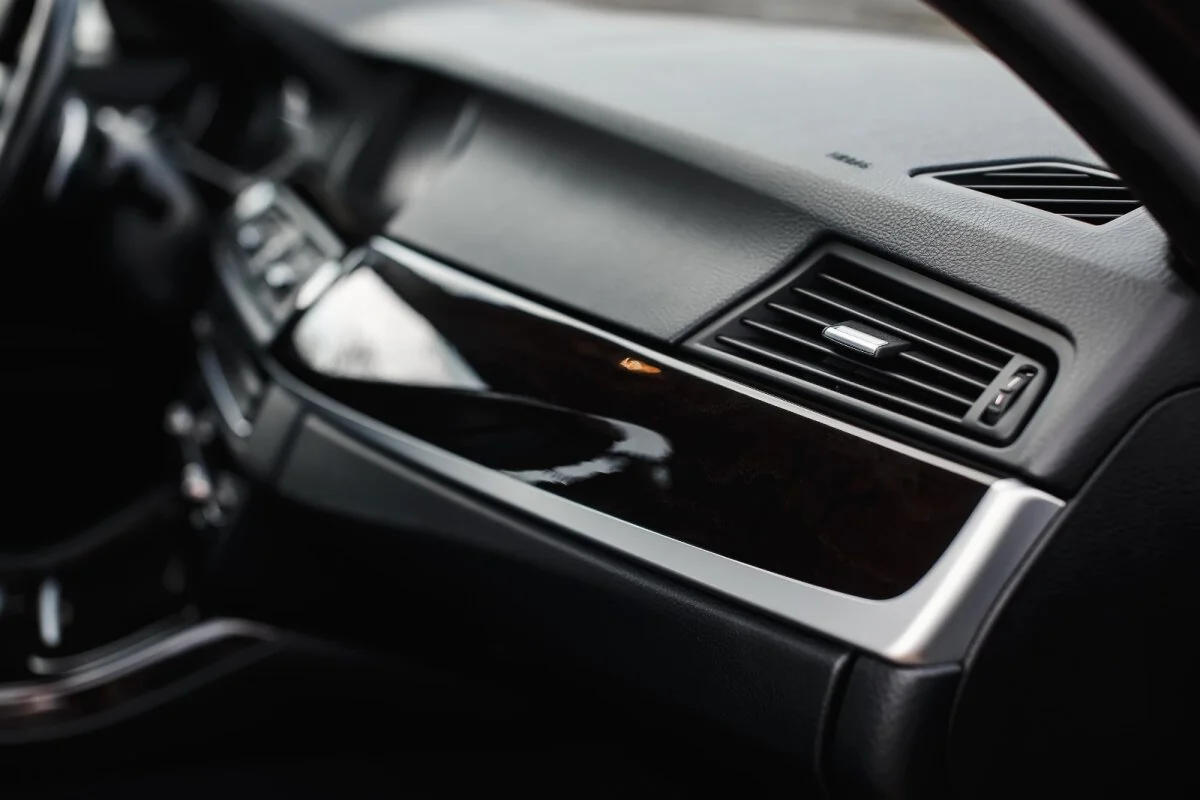
Plasticisers
It increases the material’s flexibility, softness and workability (particularly common in PVC).
Compatibility Agents
It forms a strong chemical bond between the polymer matrix and inorganic materials such as glass fibre or mineral fillers.
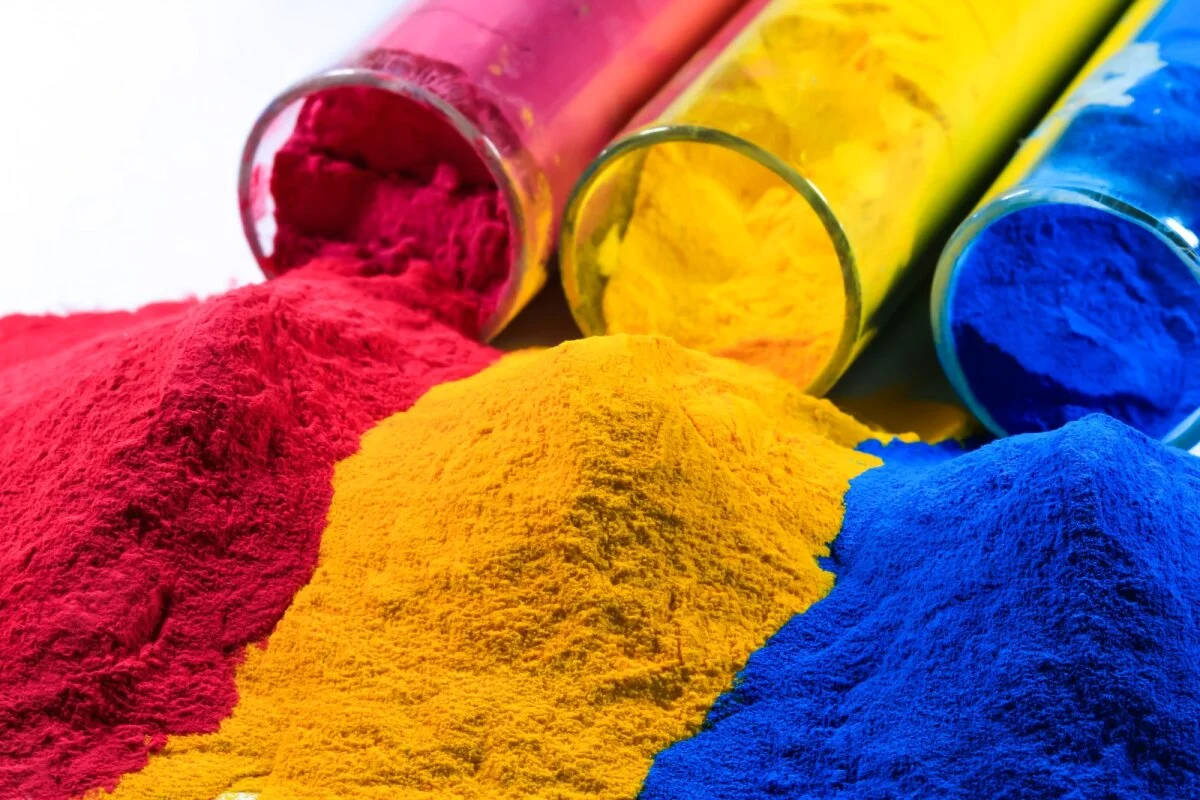
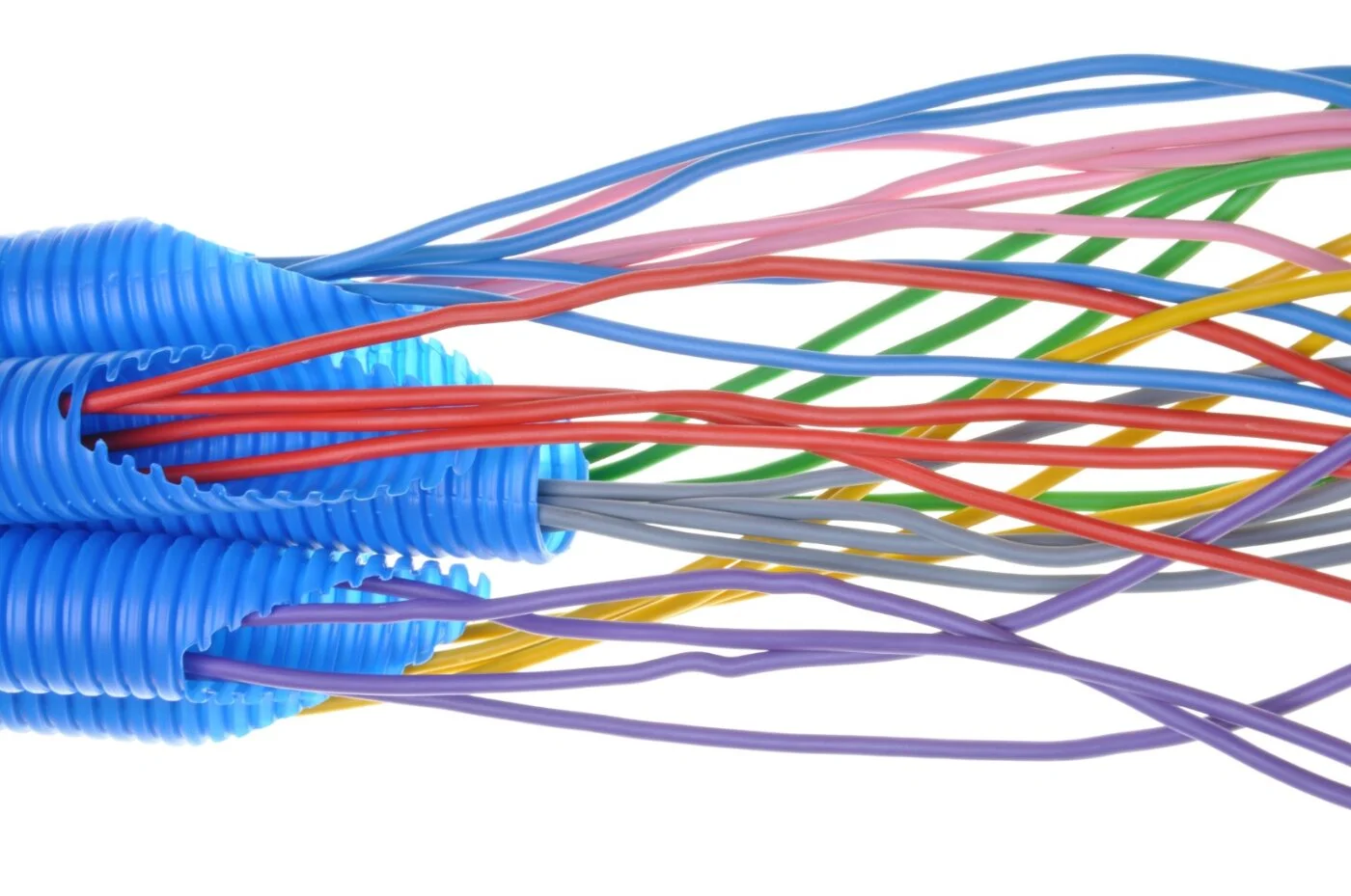
Cross-linking agents
By forming chemical bonds between polymer chains, it enhances the material’s heat resistance, mechanical strength and chemical resistance.
.jpeg)
-1.jpeg)
-1.jpeg)
Chain Extenders
In particular, it improves melt strength and mechanical properties by repairing degraded polymer chains in recycled polymers (such as PET and PC).