Inorganic (mineral) or synthetic particles added in high proportions to polymer materials such as plastics, masterbatch, rubber, and composites, typically to reduce cost and/or improve technical properties. Unlike additives, they constitute a significant volumetric portion of the formulation. They directly affect final product properties such as hardness, density, dimensional stability, heat resistance, and surface quality.

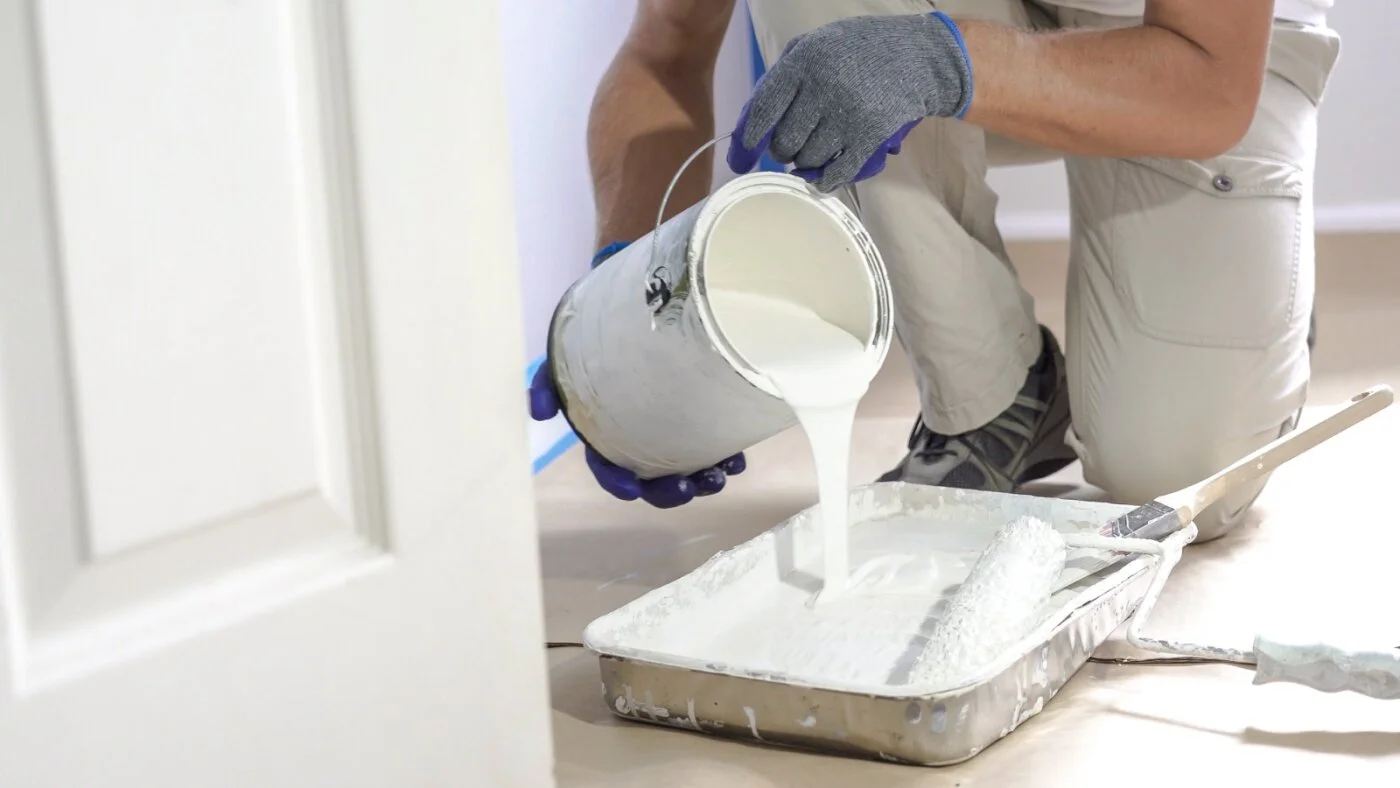
Calcium Carbonate (Calcite)
The most commonly used filler material in the plastics industry. Its primary purpose is to reduce cost, and also to increase hardness and opacity.
.jpeg)
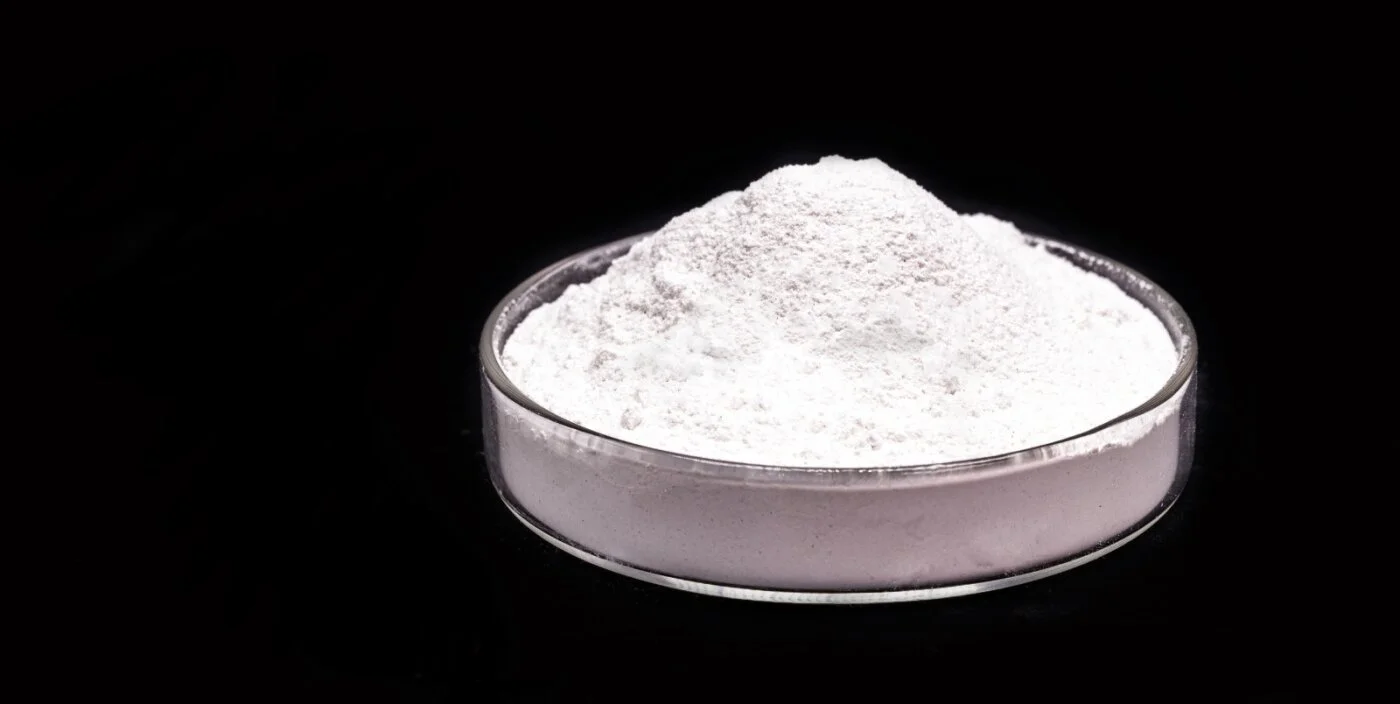
Talc
Increases the material's stiffness (rigidity), flexural modulus, and heat resistance (HDT). It is particularly preferred for dimensional stability in the automotive and white goods sectors.

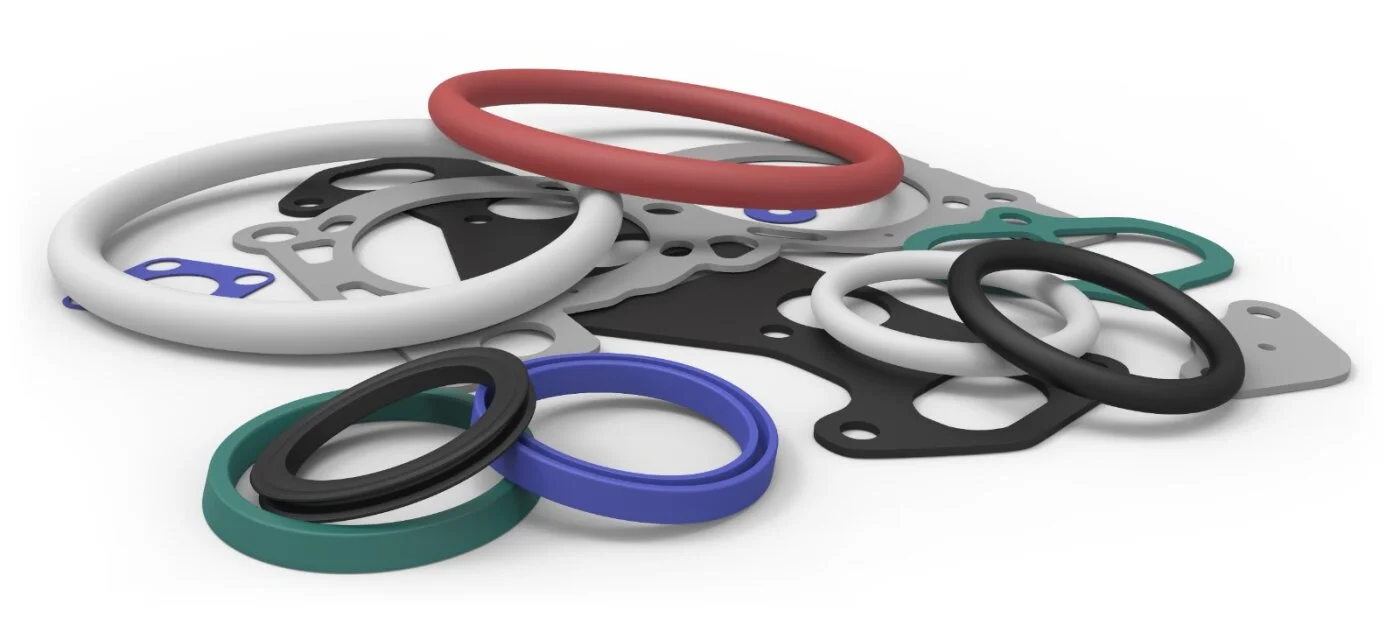
Barium Sulfate (Barite)
Imparts weight to the material due to its high density. It improves sound insulation (damping) properties and provides high gloss.
.jpeg)
Kaolin (Clay)
Improves surface smoothness, enhances electrical insulation properties, and reduces cost. It is particularly used in PVC cable applications.
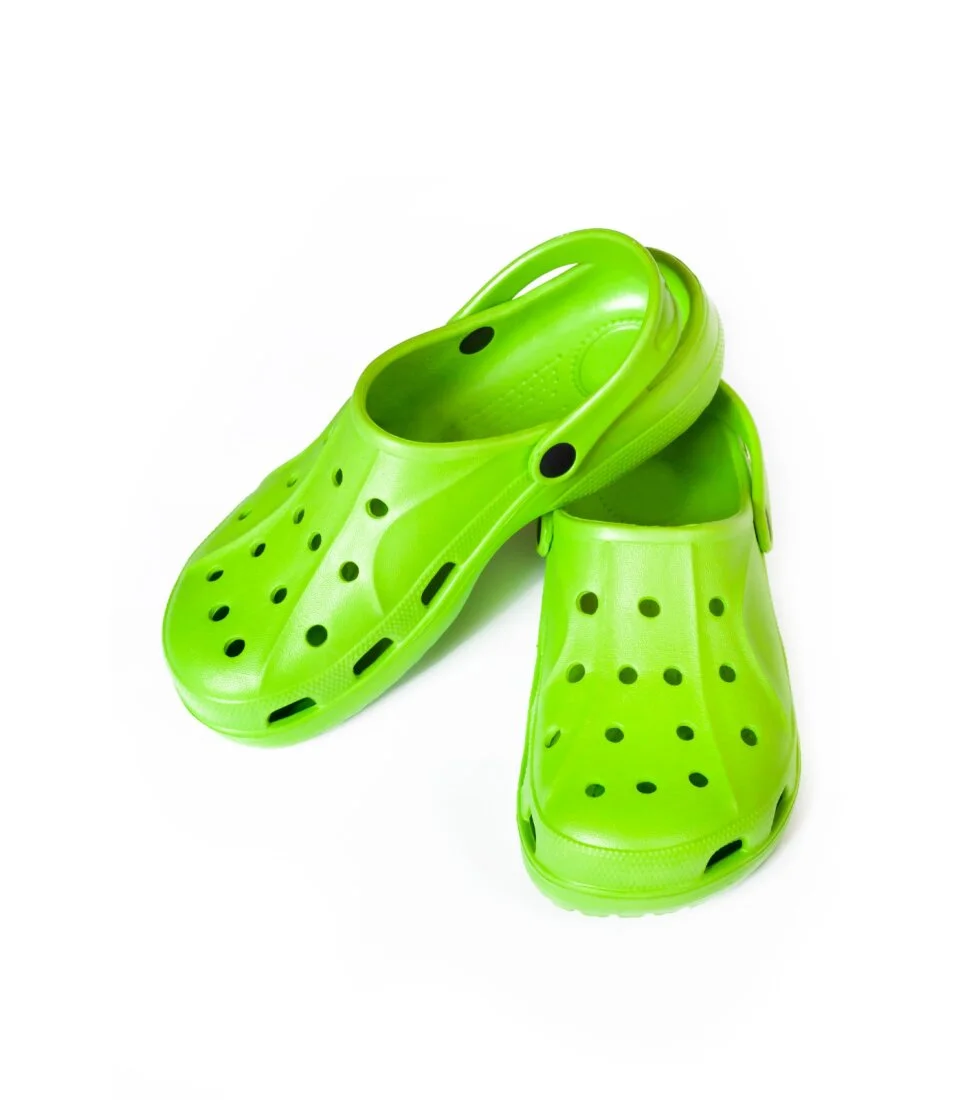
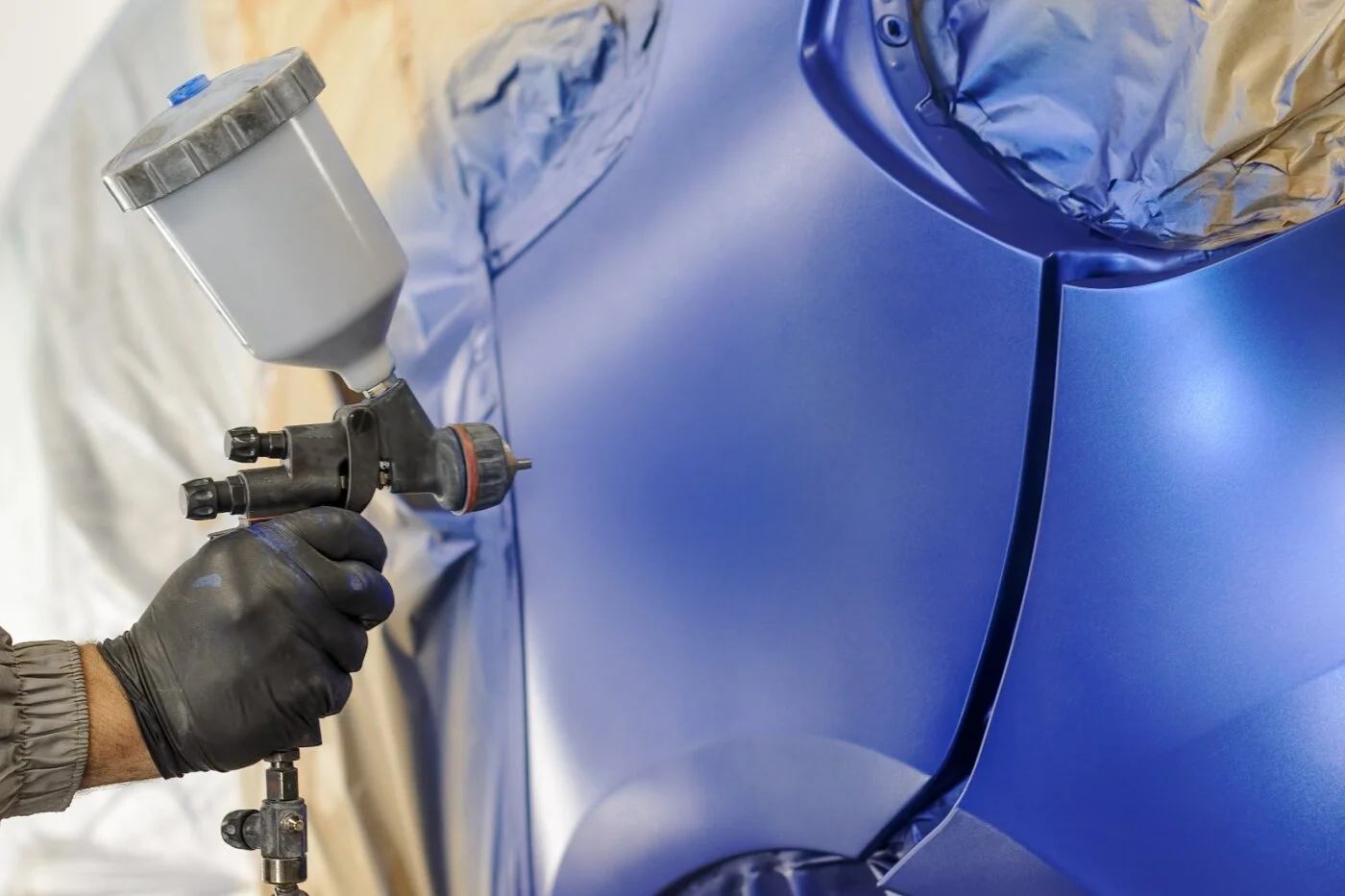
Wollastonite
Its acicular structure provides reinforcing properties; it increases hardness, impact resistance, and dimensional stability.
.jpeg)
-1.jpeg)
.jpeg)

Mica
Due to its flake-like structure, it significantly increases the flexural modulus and hardness, and reduces warping.


ATH (Aluminum Trihydrate)
A halogen-free flame retardant filler material. When burned, it releases water vapor, extinguishing the flame and suppressing smoke.
MDH (Magnesium Hydroxide)
Similar to ATH, it is a halogen-free flame retardant filler, but used at higher temperatures (especially in engineering plastics).
Silica (Natural / Synthetic)
Used to increase scratch resistance, prevent slipping (anti-slip), or control rheological properties (viscosity).